

 Facebook
 X
X
 Pinterest
 Copy Link
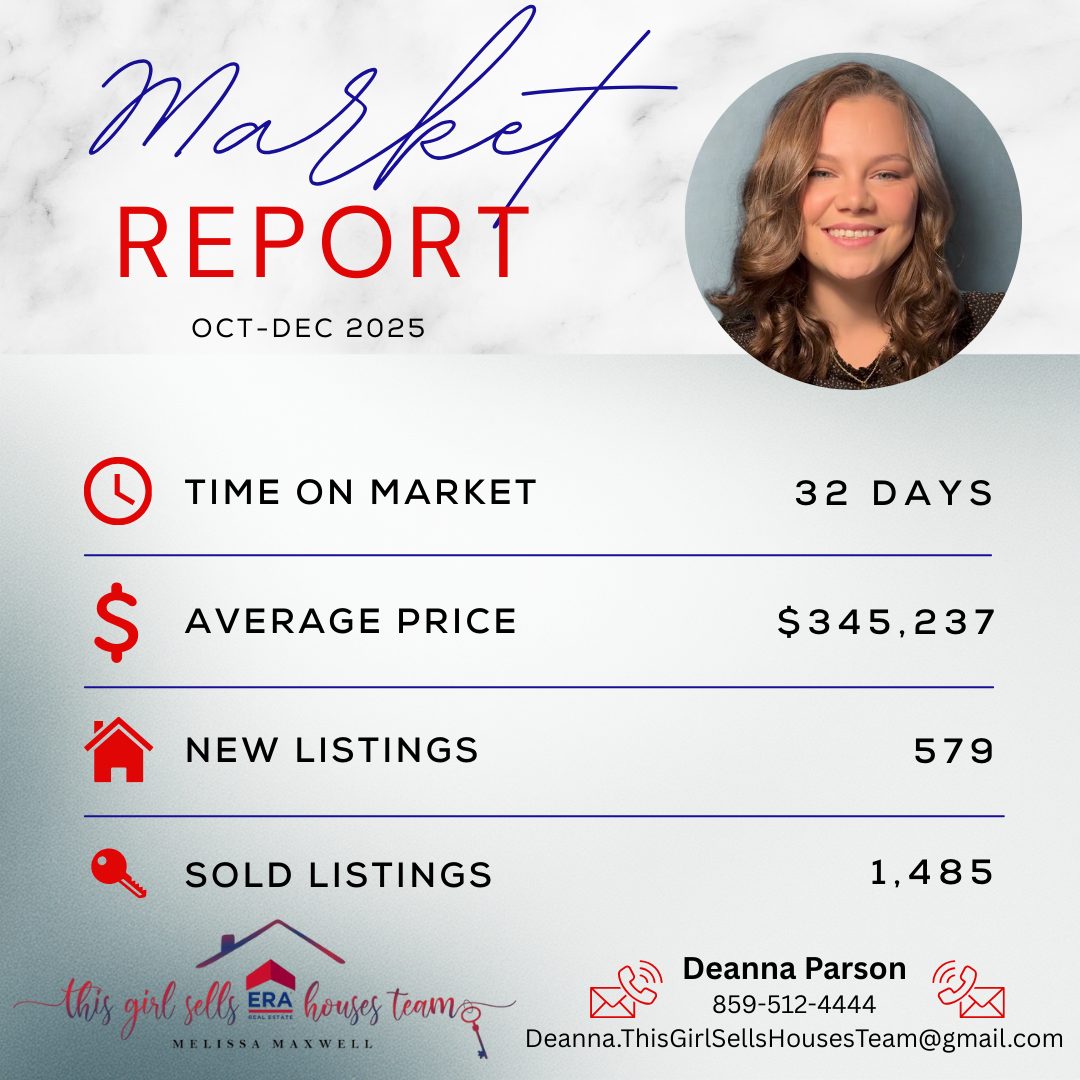
If you’ve scrolled social media lately, you’ve probably seen someone predicting “the next housing crash.” It’s a scary phrase, and it spreads fast. But the reality is much calmer than the internet makes it sound.
Today’s housing market looks nothing like the conditions that caused past crashes, especially the one everyone remembers from 2008.
Let’s talk about why. 👇
Why This Market Is Different From 2008 🧱
The 2008 housing crash wasn’t caused by high prices alone. It happened because of risky lending, adjustable-rate mortgages, and buyers who were approved without proper income verification.
When those loans reset, many homeowners could no longer afford their payments. That led to mass foreclosures and a flood of homes hitting the market at once.
Today, lending standards are much stricter. Most buyers have fixed-rate loans, verified income, and solid credit. That alone makes widespread foreclosures far less likely.
A crash needs weak foundations. Right now, the foundation is strong.
Supply Is Still Limited — Even With More Listings 🏠
One of the biggest myths right now is that rising inventory means a crash is coming. In reality, we are still coming off years of historically low supply.
More homes on the market doesn’t mean disaster. It means buyers finally have choices again.
This shift brings healthier conditions. Buyers can breathe. Sellers must price realistically. Negotiations feel normal again. That’s not a collapse — that’s balance. ⚖️
Price Adjustments Are Not a Crash 📊
Some markets are seeing prices flatten. Others are seeing small, local corrections. That’s normal after years of rapid appreciation.
A crash means sudden and dramatic value loss across the board. That simply isn’t happening.
What we’re seeing instead is stabilization. The market is slowing down, not falling apart. Think of it as the market taking a pause, not a plunge.
Homeowners Have Record Equity 💪
Another major difference today is equity. Homeowners now have more equity than almost any time in history.
That matters because equity prevents forced selling. If someone needs to move, they can sell without being underwater on their mortgage.
When sellers aren’t desperate, prices don’t spiral downward. Equity acts as a cushion for the entire housing market.
Buyer Demand Didn’t Disappear — It’s Waiting ⏳
Buyers haven’t vanished. They’ve become more cautious.
Many are watching interest rates. Others are waiting for the right home or better timing. Life events still happen, though. People still get married, change jobs, grow families, and downsize.
Housing demand doesn’t disappear forever. It pauses, then returns when conditions improve.
Why the Media Loves the Word “Crash” 🗞️
“Crash” gets attention. Calm explanations do not.
National headlines often ignore local context. Real estate is hyper-local. One neighborhood cooling doesn’t mean the entire market is failing.
That’s why understanding your local market matters far more than reacting to dramatic headlines.
What’s Actually Happening Instead 🏡✨
We’re not seeing a meltdown. We’re seeing a reset.
Buyers have more options. Sellers who price correctly are still selling. Negotiations feel fair again. This is what a healthier market looks like, even if it feels unfamiliar after years of chaos.
The Bottom Line 💬
A housing crash requires weak fundamentals. Today’s market has strong ones.
Qualified buyers, real equity, limited supply, and real demand are doing exactly what they should — keeping the market stable.
If you’re thinking about buying or selling, the smartest move isn’t reacting to fear. It’s understanding the facts and making informed decisions based on your local market.
